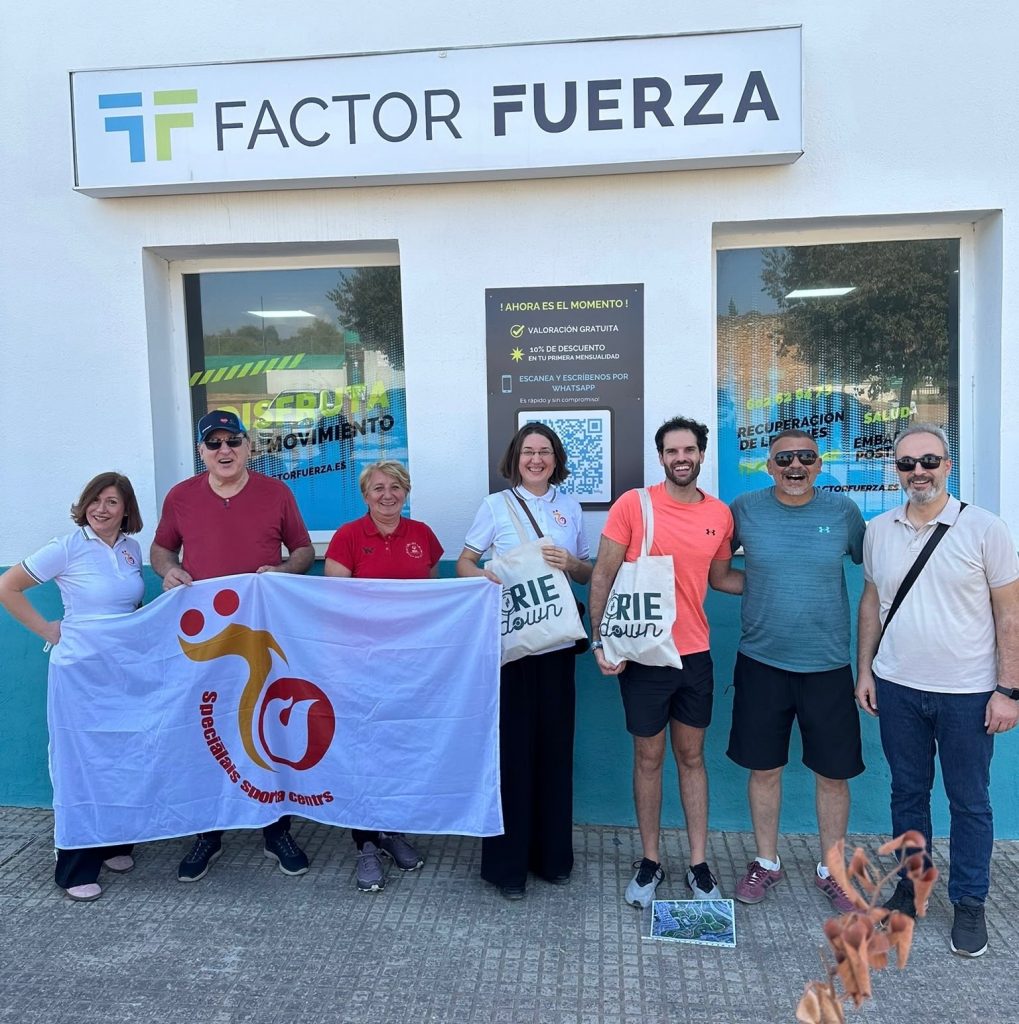
On 1 – 2 October 2026, the second international partner meeting of the Erasmus+ project “ORIE Down” took place in Córdoba, Spain. Representatives from seven partner organisations participated in the meeting, including the Special Sports Centre (SSC).
The aim of the project is to promote the participation of people with Down syndrome in physical activities by developing and improving an adapted orienteering methodology tailored to their needs. A key principle of the project is not simply to make activities easier, but to purposefully adapt tasks, the environment, communication and the learning process to the individual functional abilities of participants. As part of the project, practical orienteering solutions, a digital educational game and an e-learning environment are being developed, expanding opportunities to learn orienteering skills in different ways and settings.
The Special Sports Centre is responsible for developing the methodology for teaching orienteering activities, testing the digital game, and producing the project’s final video. The video will bring together the experiences of all partner organisations and showcase the activities carried out throughout the project. In Córdoba, SSC presented the developed video script and content concept, discussing with the partners the key project outcomes and how they should be represented. The final video is intended not only to summarise the project results but also to serve as a practical and inspiring example of how orienteering activities can be adapted for people with Down syndrome.
On the second day of the meeting, we had the opportunity to observe an adapted training session for an athlete with a physical disability. We followed the entire training process, from warm-up and strength exercises to individually adapted rest and hydration breaks, cool-down activities and the evaluation of the session. The experience clearly demonstrated that high-quality adaptation involves not only selecting appropriate exercises but also considering the training process as a whole.
An adapted and supportive environment also plays a crucial role. The layout of the training space, flooring, available equipment and facilities had been carefully selected to meet the athlete’s individual needs. Equally important was the coach’s communication, which was positive, respectful and specific, providing clear instructions and purposeful positive feedback. The observation demonstrated that an adapted training process is not a collection of isolated techniques, but rather a systematic approach that integrates the physical environment, methodology, communication and individual support.
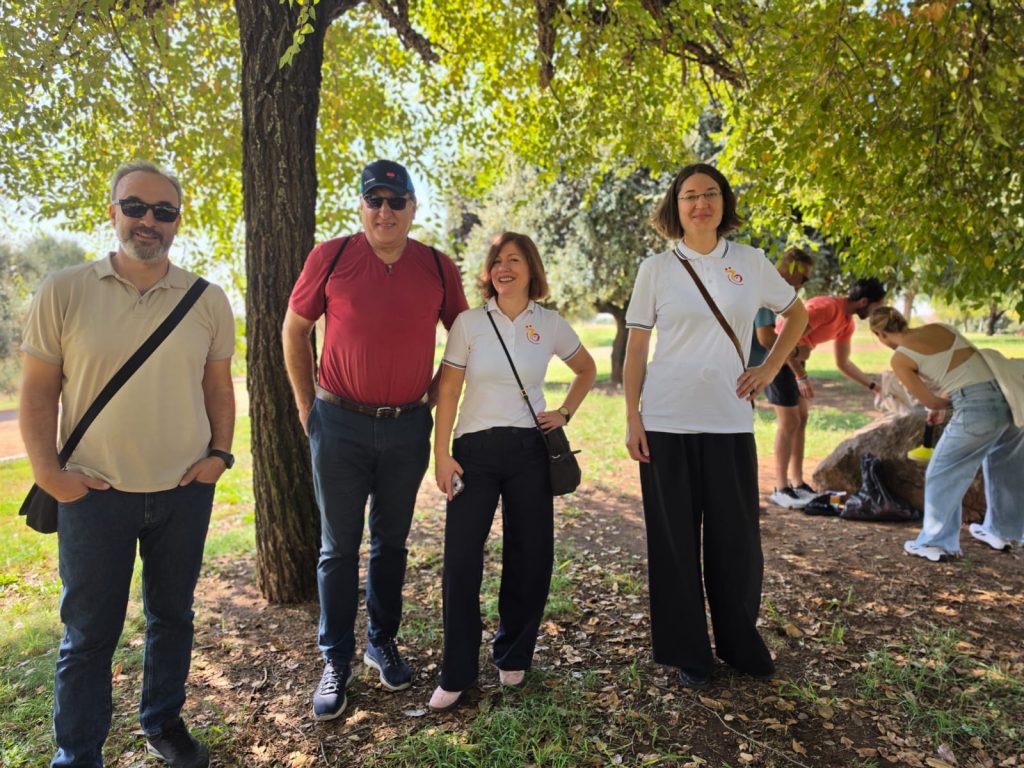
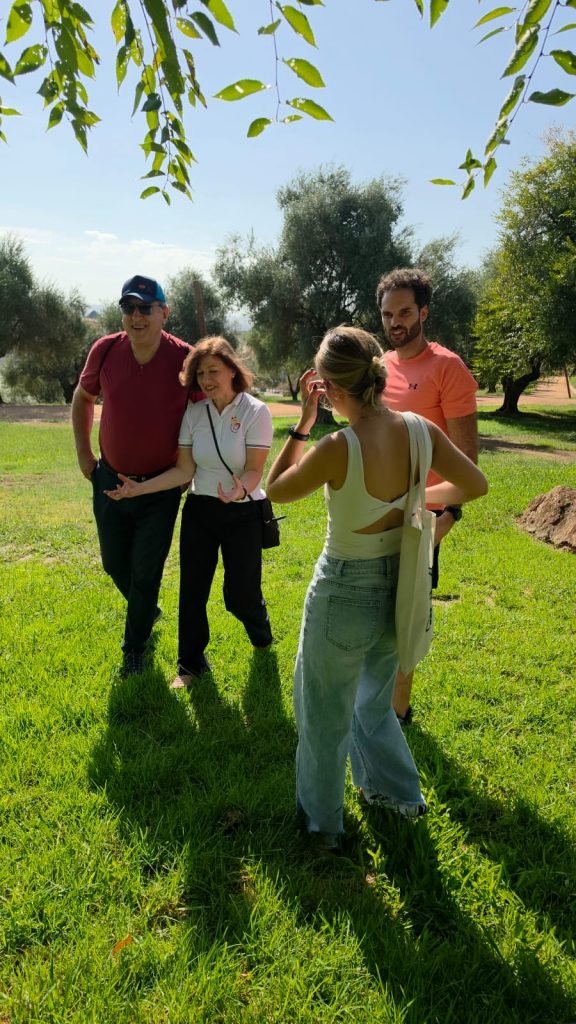
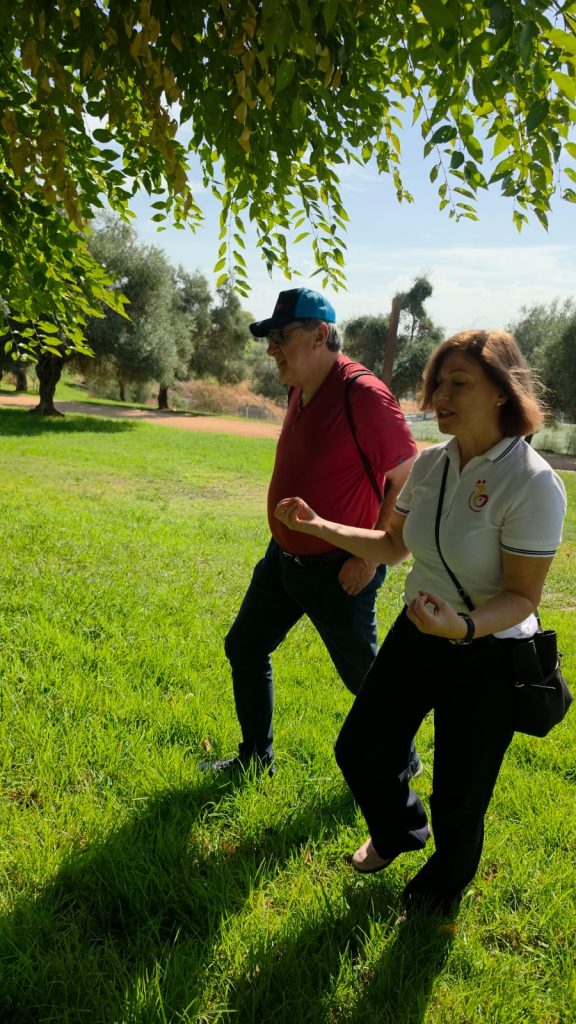
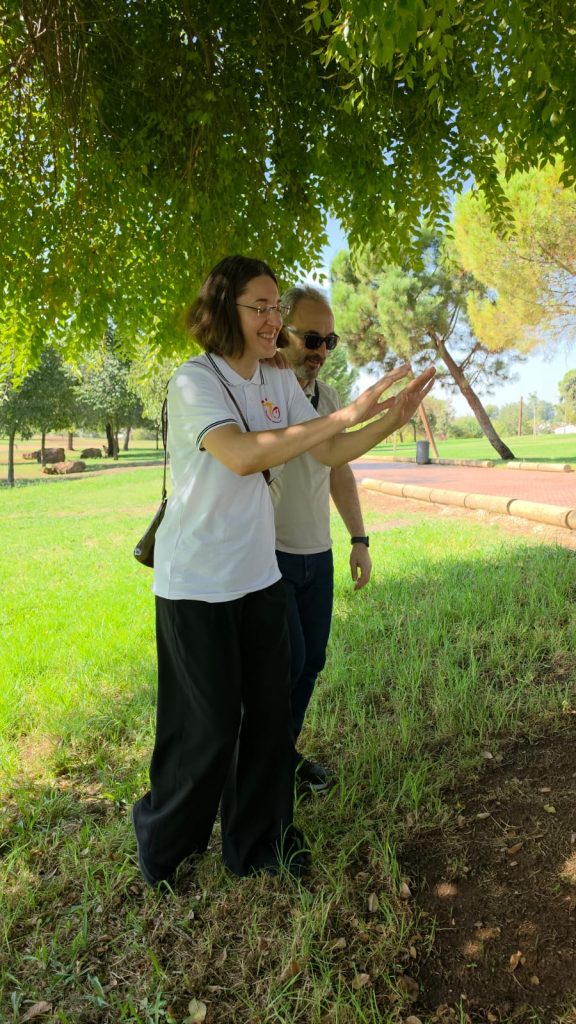
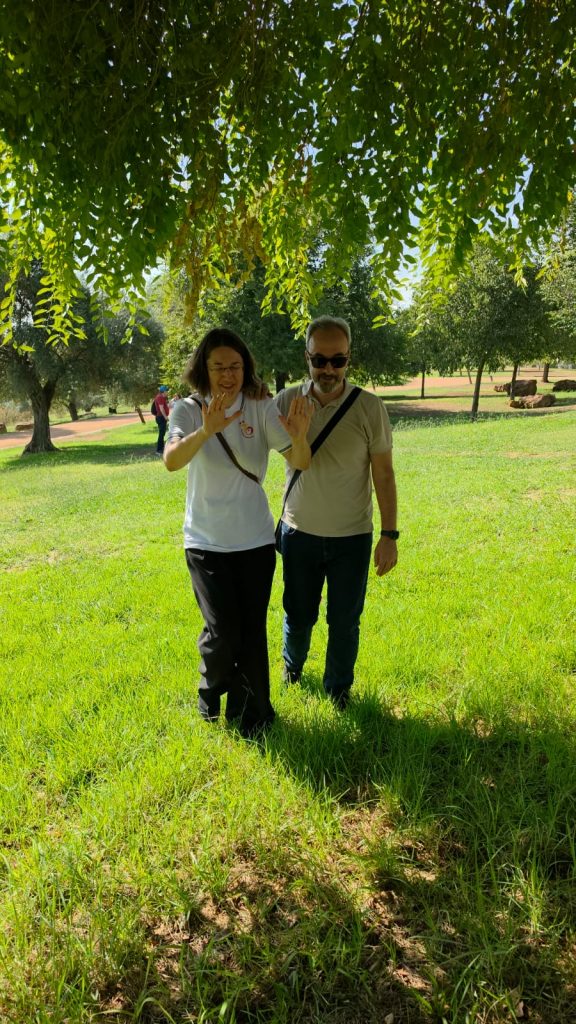
Following the training session, the partners took part in an adapted orienteering activity in a nature park, experiencing the activity from the perspective of a participant with a visual impairment. This practical experience provided a better understanding of the importance of adapting the environment, information and tasks, while also encouraging discussion on how orienteering can be made more accessible to people with different functional abilities.
The experience gained in Córdoba reinforced an important principle: in inclusive sport, adaptation applies not only to the sporting task itself but to the entire environment and process – from the physical space and equipment to communication, teaching methods and individual support. At the same time, the exchange of experience among the partners generated new ideas for future international cooperation and the development of new projects.
The next in-person partner meeting is scheduled to take place in Greece in April 2027. Until then, work on the project outcomes will continue, including training sessions, educational activities, competitions, testing of digital solutions and the production of the final project video.
Nadija